BITGET COPY TRADING RISK GUIDE · 2026
AI can organize Bitget copy-trading data, but it cannot identify a guaranteed “top 1%” trader or turn past ROI into automatic profit. Lead-trader performance can change, follower execution can differ, and leverage can produce rapid losses. Use a repeatable risk checklist instead of a prediction claim.
Last reviewed: August 15, 2026
Risk and affiliate disclosure: BitQED may receive affiliate compensation from eligible activity through the link. Copy trading and leveraged products can lose the full amount allocated; this page does not recommend a trader or guarantee performance.
What “AI copy trading” can reasonably mean
An analysis tool can sort or flag public metrics, calculate drawdown, compare volatility, detect concentration, and maintain a review log. It cannot see every future market event, hidden risk decision, execution difference, or change in a trader’s behavior. Treat any AI score as a screening aid, not as evidence of future profit.
Metrics to review before copying
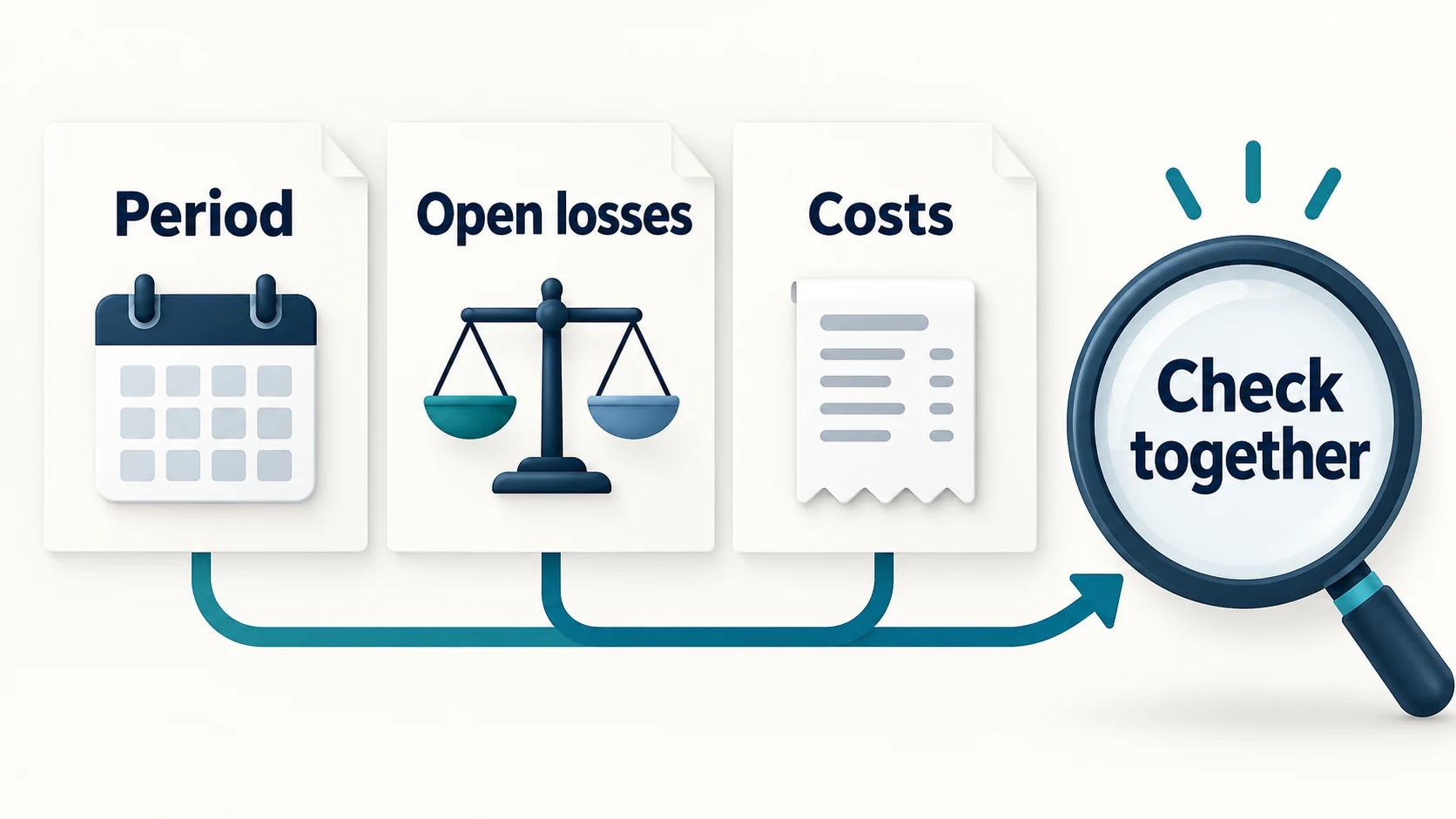
| Metric | Question | Common mistake |
|---|---|---|
| Track-record length | Does it cover different market conditions? | Choosing from a few profitable days |
| Number of closed trades | Is the sample large enough to interpret? | Treating a tiny sample as skill |
| Maximum drawdown | How deep was the largest observed decline? | Looking at ROI without loss depth |
| Leverage and margin mode | How quickly can positions approach liquidation? | Copying high leverage at the same allocation |
| Position concentration | Are results dependent on one asset or direction? | Assuming many trades equal diversification |
| Holding time and turnover | Will fees, funding, and slippage materially affect followers? | Comparing gross lead ROI with net follower result |
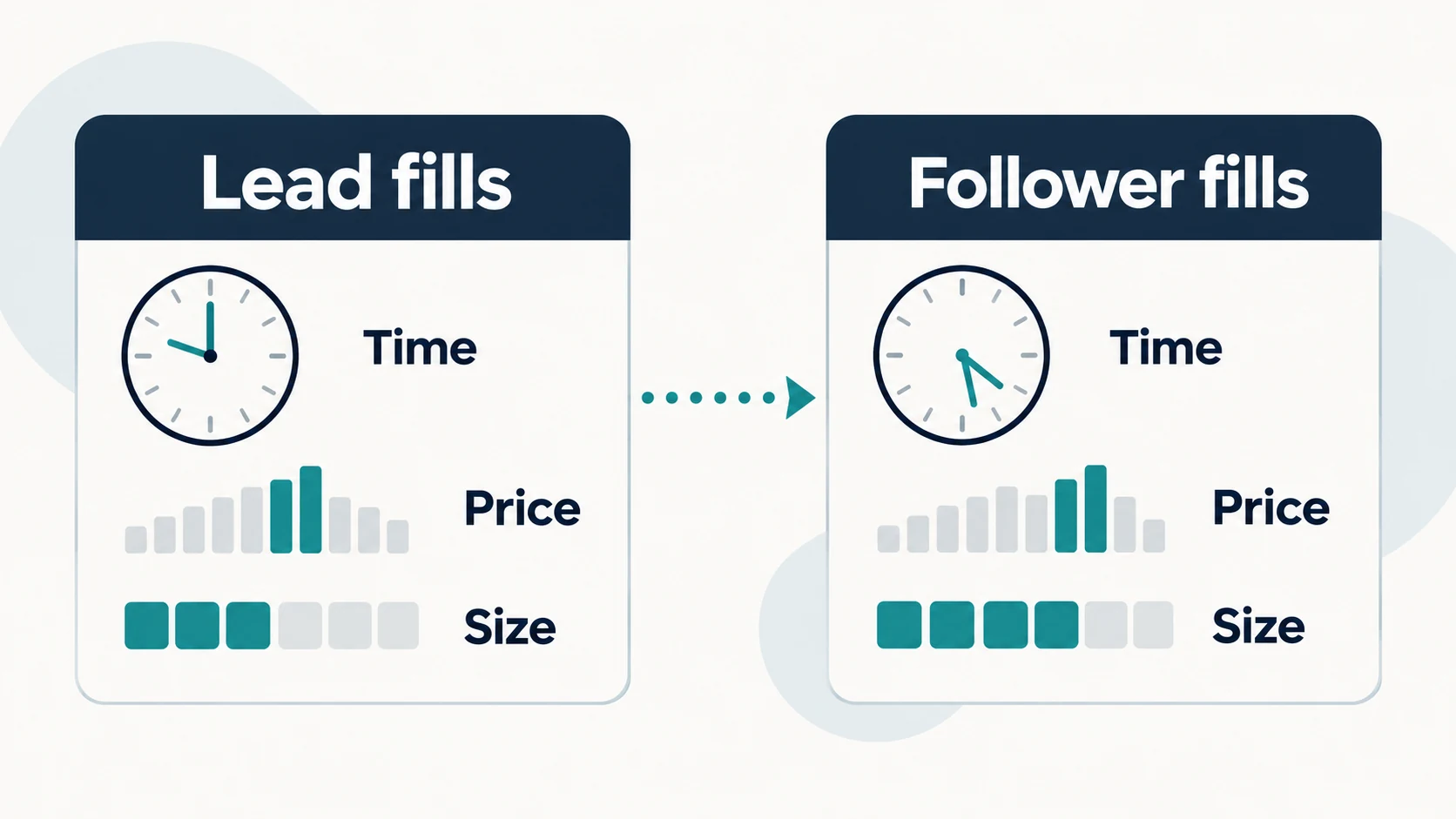
| Follower execution | Can entry price and size differ from the lead trader? | Expecting identical fills |
A risk-first screening workflow
- Define the maximum loss: set the total amount that can be lost before choosing a lead trader.
- Require a meaningful record: prefer multiple market conditions and enough closed trades to evaluate behavior.
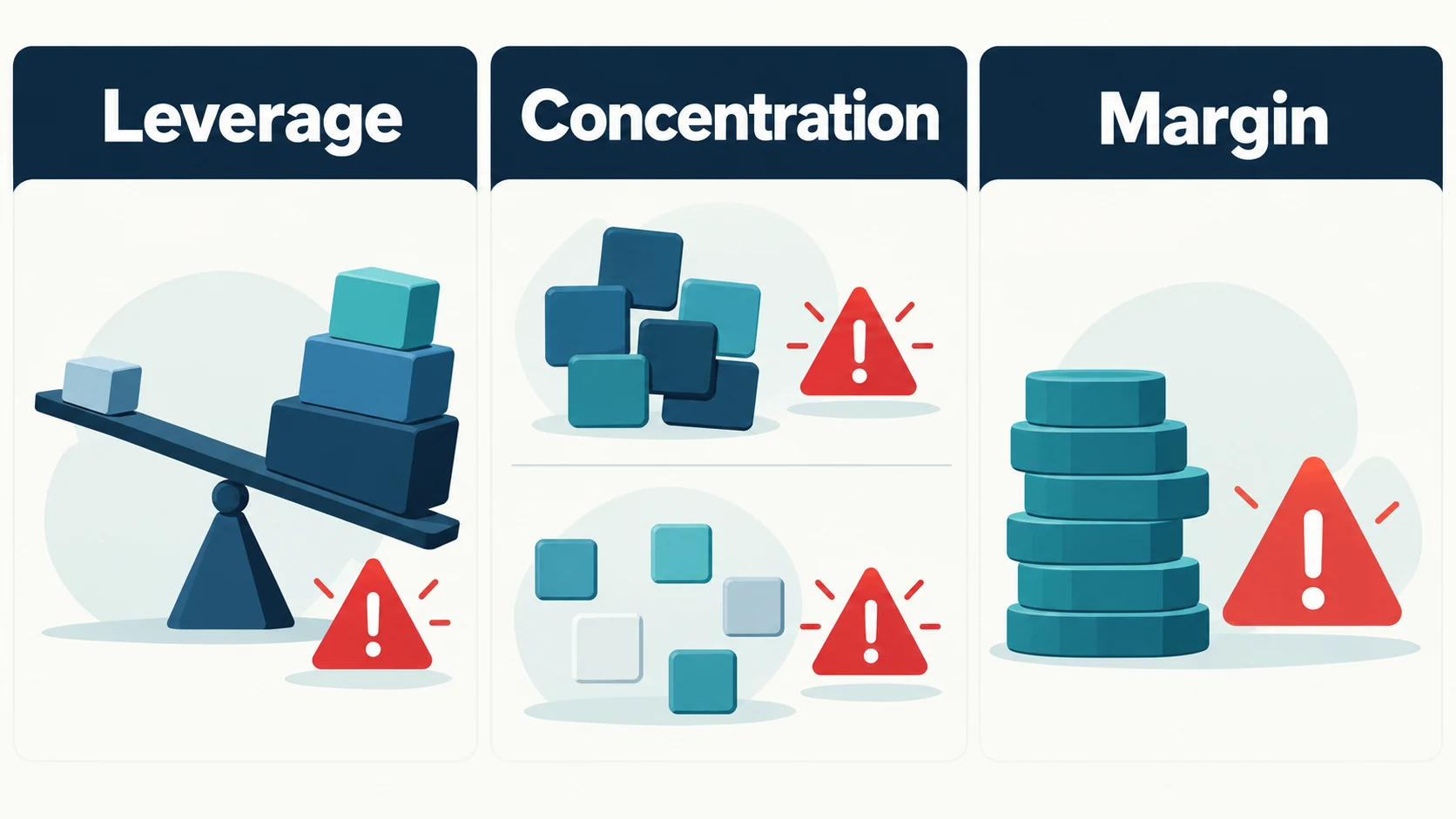
- Reject unstable risk: flag sudden leverage increases, concentrated positions, martingale-style sizing, or losses held without a limit.
- Compare return with drawdown: a higher ROI is not automatically better if drawdown and liquidation risk are much larger.
- Estimate follower costs: include profit sharing, trading fees, funding, spread, and slippage.
- Start small: use a limited allocation and explicit copy stop-loss instead of scaling from a headline ranking.
- Review on a schedule: record changes in leverage, drawdown, strategy, and follower results; stop when risk rules are breached.
Why ROI rankings can mislead

ROI can be calculated over a selected period and can change sharply with a small denominator, open positions, or leverage. Bitget has updated how copy-trading ROI is calculated, which is another reason to read the current platform explanation instead of comparing screenshots from different dates.
Simple calculations for a review sheet
Drawdown
Track the decline from a portfolio peak to the next trough. Use the same time window for comparisons.
Net follower result
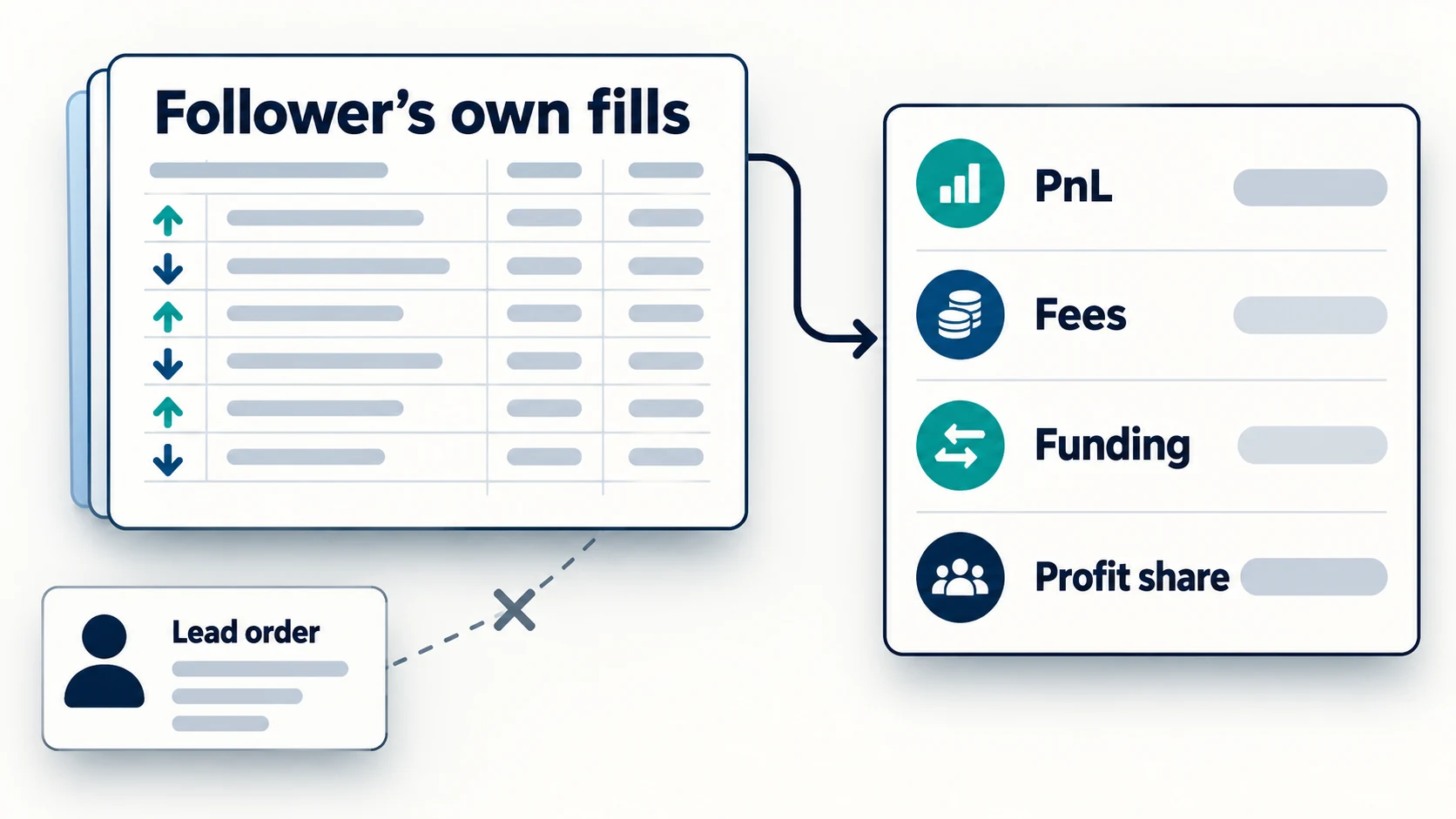
Use the copier’s own realized and unrealized PnL for the same period and currency, incorporating trading fees, funding and profit sharing only where they are not already included. Do not subtract costs from the lead trader’s performance: capital, quantities, leverage and fill prices can differ. Spread and slippage affect actual fills; do not deduct them twice. Bitget’s new futures copiers guide defines estimated net profit as unrealized PnL + realized PnL − profit shared. Check the cost treatment of each account field. Calculation checked: October 24, 2026.
Risk concentration
Largest single-asset or single-direction exposure divided by the total copy allocation.
These calculations describe observed data; they do not predict the next trade. A strong past ratio can deteriorate immediately.
Settings that matter more than an AI label
- Fixed amount or multiplier per copied trade
- Maximum allocation per lead trader and per asset
- Copy stop-loss and total loss limit
- Leverage and margin mode behavior
- Maximum number of simultaneous positions
- Whether existing open positions are copied
- Conditions for manually stopping or unfollowing
Confirm the current controls in the Bitget interface because available settings can change by product and region.
Claims to reject
- AI guarantees long-term profit or prevents liquidation.
- A model can consistently identify the top 1% of future performers.
- A 90% win rate proves low risk without trade count, payoff ratio, and drawdown.
- Follower returns will match the lead account exactly.
- More copied traders always produce diversification.
- Backtested or past results remove the need for stop-loss limits.
Bitget AI copy trading FAQ
Does Bitget guarantee a lead trader’s results?
No. Copy trading follows orders under platform settings; losses, execution differences, and changing trader behavior remain possible.
What should I check before ROI?
Review record length, closed-trade sample, maximum drawdown, leverage, concentration, holding time, and follower costs.
Can AI select a profitable trader for me?
AI can filter observed data and enforce a checklist. It cannot guarantee future performance or account for every change in strategy and market conditions.
Where can I learn the platform workflow?
Read the Bitget copy trading guide and confirm settings in the current interface.
Editorial conclusion
AI screening does not establish future profit. Compare the copier’s own execution, costs and risk rather than a leaderboard alone. BitQED’s source and affiliate standards are published on the About BitQED page.