Key Takeaways: Bitget CFD Copy Trading Essentials for Forex and Stocks
Corrected and source-checked October 18, 2026. This revision withdraws unsupported surveys, platform scores and personal-test claims. It uses public official documents, not an author trading experiment. The earlier unsupported illustrations were replaced with conceptual checks on October 25, 2026. They are not service screens, surveys, ratings or performance evidence; use the current account and product rules.
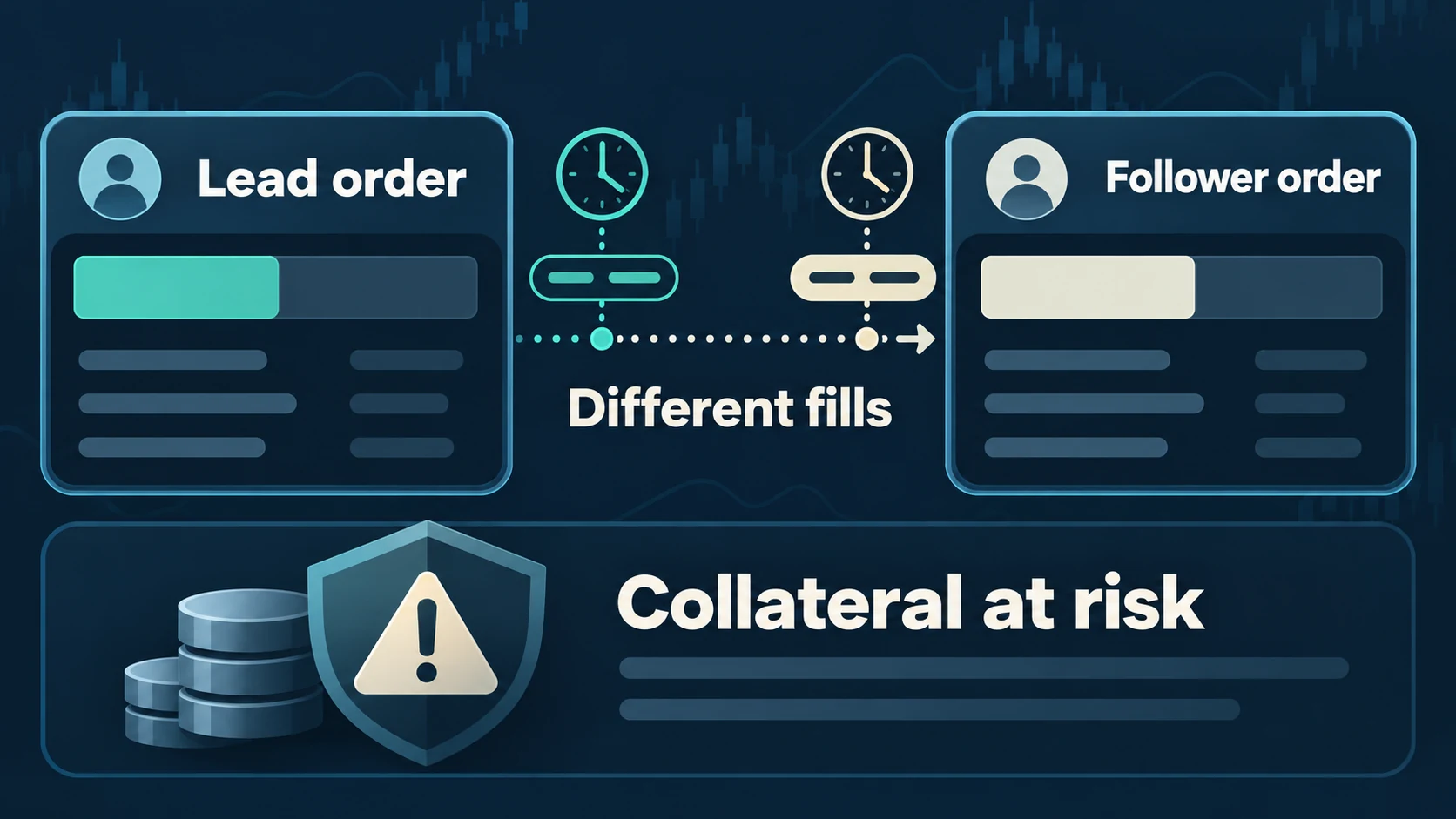
CFD copy trading involves derivatives, not ownership of the referenced shares, currencies or commodities. Automated following can produce different positions and results from the lead trader. Existing reference (not evidence for a benefit, score or benchmark): Bitget.
Review the actual product, account eligibility, instrument specifications and possible loss. Copy trading does not make a retail account equivalent to a professionally managed fund.
Understanding the CFD Trading Ecosystem
Unlike spot trading, where you own the underlying asset, CFDs allow you to speculate on price movements in Forex, commodities, and stocks without physical ownership. This enables leverage, which can amplify both your potential gains and your inherent risks.
- Leverage Management: Always check the default leverage settings of the trader you are copying.
- Asset exposure: different instruments can remain correlated or move together in stress. Combining forex and stock indices does not guarantee a hedge.
- Execution: no verified latency or minimum-slippage guarantee is established. Followers can receive different sizes and prices, or no copied order.
Comparative Analysis: Traditional Trading vs. Bitget CFD Copy Trading
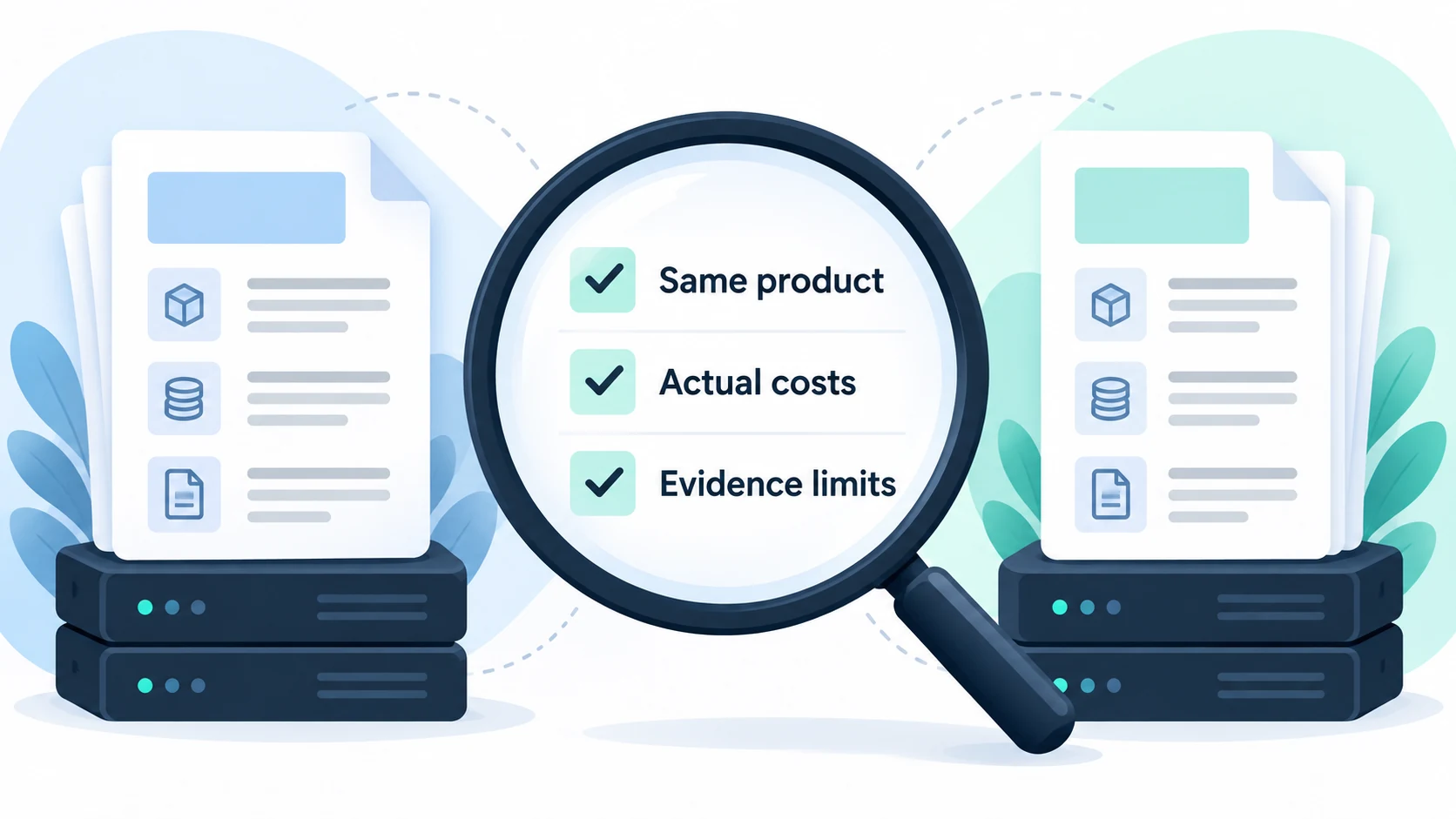
The table compares control responsibilities, not results from industry-standard testing or user-behavior research.
| Review item | What to verify | Limitation |
|---|---|---|
| Control | What the follower can change | Automation does not eliminate monitoring |
| Sizing | Actual copy mode and quantity calculation | Copied orders may differ from the lead |
| Execution | Accepted orders and fill records | Orders can be missed or partially filled |
| Costs | Fees, funding and applicable profit sharing | No single universal copy fee model |
| Outcome | Aggregate exposure and actual losses | Copying does not establish suitability |
Reasons to inspect CFD copying, not an industry preference survey
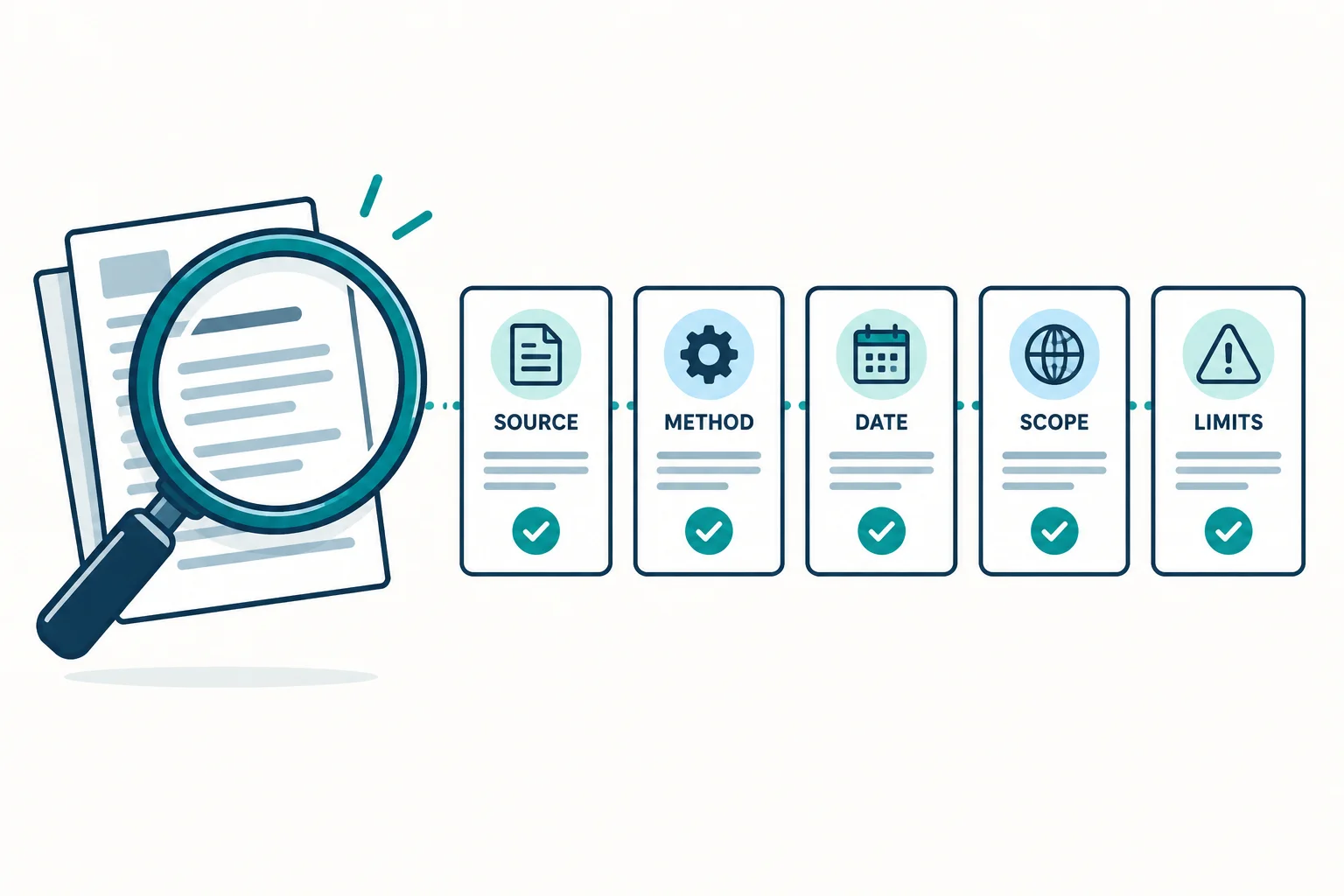
The former 5,000-user survey and motivation percentages were unsupported. The table lists questions to resolve before relying on automation.
| Review item | What to verify | Limitation |
|---|---|---|
| Dataset | Named source, sample and observation dates | The former survey was not substantiated |
| Method | Definitions and reproducible measurements | Percentages are not reconstructed or estimated |
| Scope | Product, region and account conditions | No universal ranking or preference inferred |
| Uncertainty | Missing records and selection bias | No conclusion from an invented score |
This article has no substantiated years-long personal trading study. Inspect the reporting period, open losses, leverage and concentration; a historical equity curve is not a forecast.
How Bitget CFD Copy Trading Works: Automating Your Portfolio with USDT
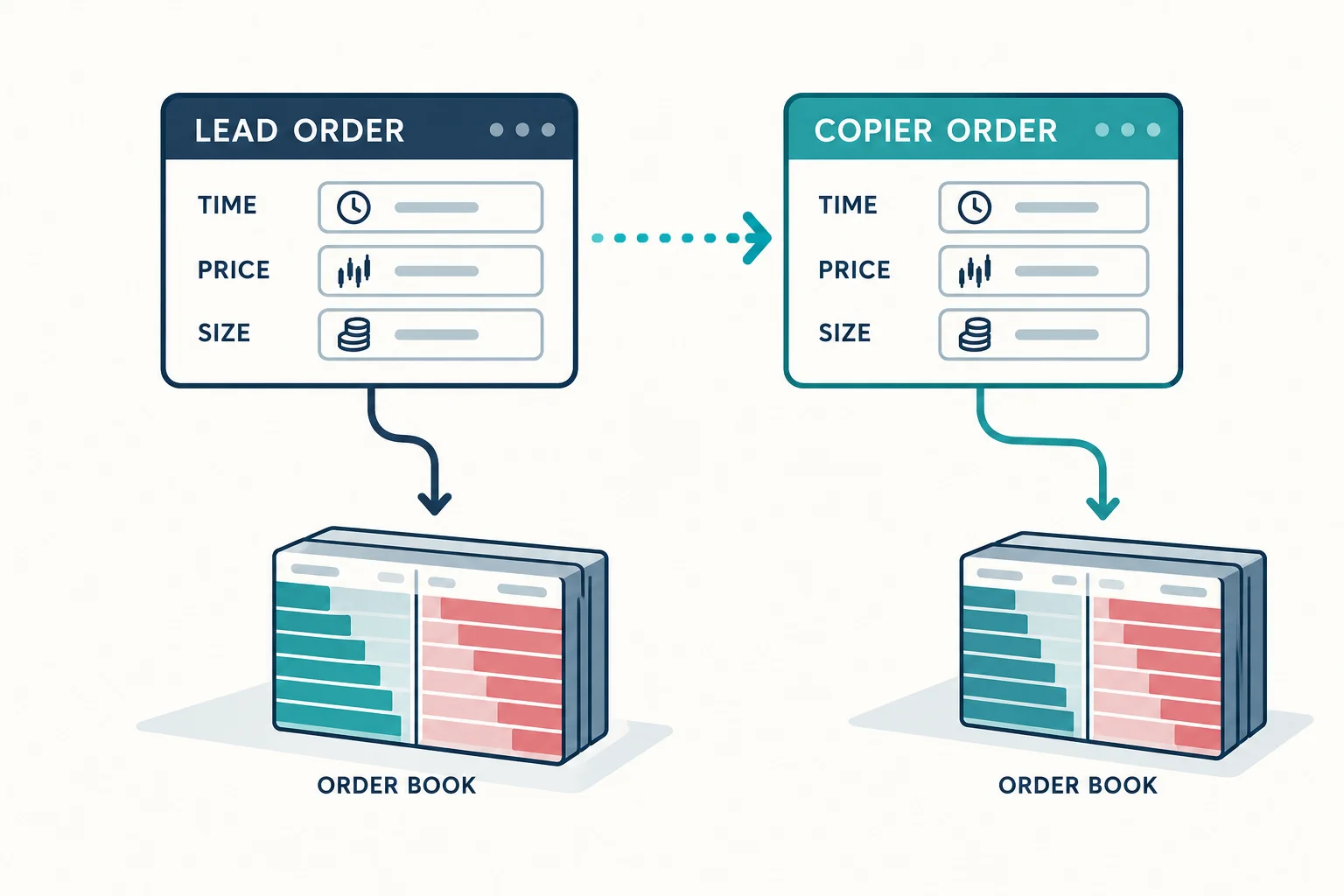
Bitget documents CFD-specific copying parameters. Do not assume the same controls as crypto futures copying or identical lead/follower positions. Eligibility and available instruments depend on the account and region.
The Technical Workflow: From Execution to Settlement
The official parameter guide distinguishes Fixed ratio and Fixed lots. Actual copied size can depend on equity ratios, lot multipliers, instrument rounding and minimum/maximum order constraints; it need not equal the lead order. Existing reference (not evidence for a benefit, score or benchmark): Gold (XAU/USD).
- Step 1: inspect the instrument contract, session, minimum lot and current execution conditions. No deep-pool routing or low-slippage measurement is established here. Existing reference (not evidence for a benefit, score or benchmark): slippage.
- Step 2: verify the selected copying mode and sizing calculation. Fixed lots differs from an equity-ratio calculation.
- Step 3: verify the accepted parameters and actual open position. No millisecond synchronization guarantee is established.
- Step 4: review realized/unrealized PnL, fees and settlement records. Automatic accounting does not guarantee instant liquidity or rebalancing.
Comparative Mechanics: Manual vs. Automated CFD Trading
Manual control and copying allocate decisions differently. Neither removes market exposure, monitoring needs or execution costs.
| Review item | What to verify | Limitation | Evidence |
|---|---|---|---|
| Trigger | Price reference and accepted condition | Triggering does not ensure a fill | Current official terms and actual account record |
| Execution | Order type and actual fill | Market orders can slip; limits may remain unfilled | Current official terms and actual account record |
| Sizing | Notional exposure and contract parameters | A lot/quantity cap is not a loss cap | Current official terms and actual account record |
| Monitoring | Existing positions, margin and cancellations | Automation can require intervention | Current official terms and actual account record |
| Strategy | Costs, correlation and historical assumptions | No safe or profitable strategy established | Current official terms and actual account record |
Margin currency and settlement are not safety guarantees
Confirm the account currency, margin conversion, contract size and all charges in the actual CFD specification. A USDT-denominated record does not establish zero conversion costs. Existing reference (not evidence for a benefit, score or benchmark): Tether (USDT).
USDT is not guaranteed purchasing-power protection. Stablecoin, custody, depeg and market risks remain, and switching instruments can create costs or overlapping exposure.
A lot-size cap controls requested position size, not the realized loss of a trade. It does not ensure a healthy margin ratio or prevent liquidation. Existing reference (not evidence for a benefit, score or benchmark): Forex markets.
Step-by-Step Guide: Setting Up Your First Automated CFD Trade on Bitget
The sequence below concerns checking a CFD configuration, not a recommendation to fund or start copying. Controls can differ between products and versions.
Step 1: Navigating to the Copy Trading Dashboard
Open the supported CFD copy-trading area for the eligible account. The former direction to select crypto Futures Copy Trading did not establish the correct CFD workflow. Existing reference (not evidence for a benefit, score or benchmark): Contract For Difference (CFD).
Step 2: Selecting an Elite Trader
Review the trader record, open losses, leverage, instruments and reporting period. A lower historical drawdown does not establish a safe trader or future loss limit.
| Review item | What to verify | Limitation | Evidence |
|---|---|---|---|
| History | Period, open losses and methodology | Past results do not forecast returns | Current official terms and actual account record |
| Win rate | Loss size, costs and sample | High win rate can coexist with a net loss | Current official terms and actual account record |
| Drawdown | Definition, leverage and observation period | Historical drawdown is not a future loss cap | Current official terms and actual account record |
Step 3: Configuring Your Copy Settings
Check the CFD-specific Fixed ratio or Fixed lots mode described in the official guide. A fixed lot size is not a fixed USDT amount, and a lot multiplier is not the same as leverage. Existing reference (not evidence for a benefit, score or benchmark): risk management. CFD parameter guide (checked October 18, 2026).
- Fixed lots: the configured lot size applies per copied order, subject to instrument and account constraints; cash exposure varies with contract specifications.
- Fixed ratio: inspect the equity-based calculation and any custom lot multiplier. Rounding and limits can cause the resulting order to differ.
- TP/SL: confirm units and accepted levels. The current CFD guide describes amounts in USDT and market execution on triggering, not a universal percentage loss cap.
Step 4: Monitoring and Adjusting Strategy
Review actual positions, margin, missed copies and changed parameters. A different market label does not by itself identify the risk of an instrument or trader.
Strategy checks instead of a satisfaction survey
The former success rates and capital-preservation survey were not supported. The corrected table identifies risks without assigning strategy rankings.
| Review item | What to verify | Limitation | Evidence |
|---|---|---|---|
| Position size | Actual lots and contract unit | Fixed lots are not a loss limit | Current official terms and actual account record |
| Concentration | Combined notional exposure across instruments | Different labels can hide overlapping risks | Current official terms and actual account record |
| Copied execution | Accepted orders and actual fills | Follower sizes and prices can differ | Current official terms and actual account record |
Index or stock arbitrage is not established here as stable growth for beginners. No universal leverage under 5x can ensure sustainable results; derivatives can gap and lose margin. Existing reference (not evidence for a benefit, score or benchmark): cryptocurrency markets; leverage.
Reporting periods and strategy evidence
No dataset of 5,000 CFD traders establishes allocation patterns, long-term efficacy or institutional standards in this article.
Do not infer strategy from nationality
The former Asian/Western trading preferences were unsupported stereotypes, not measured regional behavior. Inspect the individual strategy and account exposure instead.
| Review item | What to verify | Limitation | Evidence |
|---|---|---|---|
| Dataset | Named source, sample and observation dates | The former survey was not substantiated | Current official terms and actual account record |
| Method | Definitions and reproducible measurements | Percentages are not reconstructed or estimated | Current official terms and actual account record |
| Scope | Product, region and account conditions | No universal ranking or preference inferred | Current official terms and actual account record |
| Uncertainty | Missing records and selection bias | No conclusion from an invented score | Current official terms and actual account record |
What a performance metric can and cannot show
No user-success study links the following assets or controls to a particular outcome. Instrument characteristics and account leverage must be checked separately.
Asset-specific information to inspect
- Gold: review contract size, session hours, spreads and margin requirements. No 82% efficiency or capital-protection score is established.
- Currency pairs: liquidity, session and event exposure differ. No beginner-suitability or 74% efficiency score is established.
- Equity-linked instruments: identify whether the product is a CFD, token or other derivative; check price source, hours and corporate-action treatment. No 68% efficiency score is established. Existing reference (not evidence for a benefit, score or benchmark): interest rate.
- Energy instruments: inspect contract, gap and event risk. No 55% efficiency or universal diversification benefit is established.
Monitoring decisions and uncertainty
No survey establishes that continuing to copy during a correction outperforms stopping. Either choice can change losses and exposure; review actual positions and cancellation effects.
No verified personal record establishes better retention or a required 30-to-60-day waiting period. Historical analysis cannot guarantee an eventual recovery. Existing reference (not evidence for a benefit, score or benchmark): automated systems.
Maximum drawdown is a historical metric whose period and calculation matter. A 30% threshold alone does not prove a particular strategy or quantify the next liquidation risk. Existing reference (not evidence for a benefit, score or benchmark): over-leveraged strategy.
Performance claims: no 90-day personal test established
This checklist is not a personal test or survey. Review reporting periods, exposure and source records. Existing reference (not evidence for a benefit, score or benchmark): market liquidity.
| Review item | What to verify | Limitation | Evidence | Scope |
|---|---|---|---|---|
| History | Period, open losses and methodology | Past results do not forecast returns | Current official terms and actual account record | Product/region/version specific |
| Win rate | Loss size, costs and sample | High win rate can coexist with a net loss | Current official terms and actual account record | Product/region/version specific |
| Drawdown | Definition, leverage and observation period | Historical drawdown is not a future loss cap | Current official terms and actual account record | Product/region/version specific |
Trader-record review steps
The guide has no personal candidate-vetting test. Review underlying records rather than treating leaderboard rank as evidence of future skill.
- Step 1: check AUM definitions, observation dates and position concentration. No universally suitable $50,000 to $200,000 AUM range is established.
- Step 2: examine the available history and market conditions covered; three months does not confirm a sustainable edge.
- Step 3: inspect aggregate exposure and account leverage. One allocation percentage does not establish safety.
- Step 4: compare available order and fill records. This article reports no real-money test and does not require a deposit or trial trade. Existing reference (not evidence for a benefit, score or benchmark): market volatility.
Evidence checklist instead of private sentiment analysis

No sample or methodology supports the former 500-user private study, trust percentages or retention conclusion.
| Review item | What to verify | Limitation | Evidence |
|---|---|---|---|
| Dataset | Named source, sample and observation dates | The former survey was not substantiated | Current official terms and actual account record |
| Method | Definitions and reproducible measurements | Percentages are not reconstructed or estimated | Current official terms and actual account record |
| Scope | Product, region and account conditions | No universal ranking or preference inferred | Current official terms and actual account record |
Monitor changing instruments, order sizes and losses, but do not assume a weekly schedule or switching trader preserves capital. Review what happens to existing positions before stopping copying.
Advanced Risk Mitigation Protocols for Bitget CFD Copy Trading
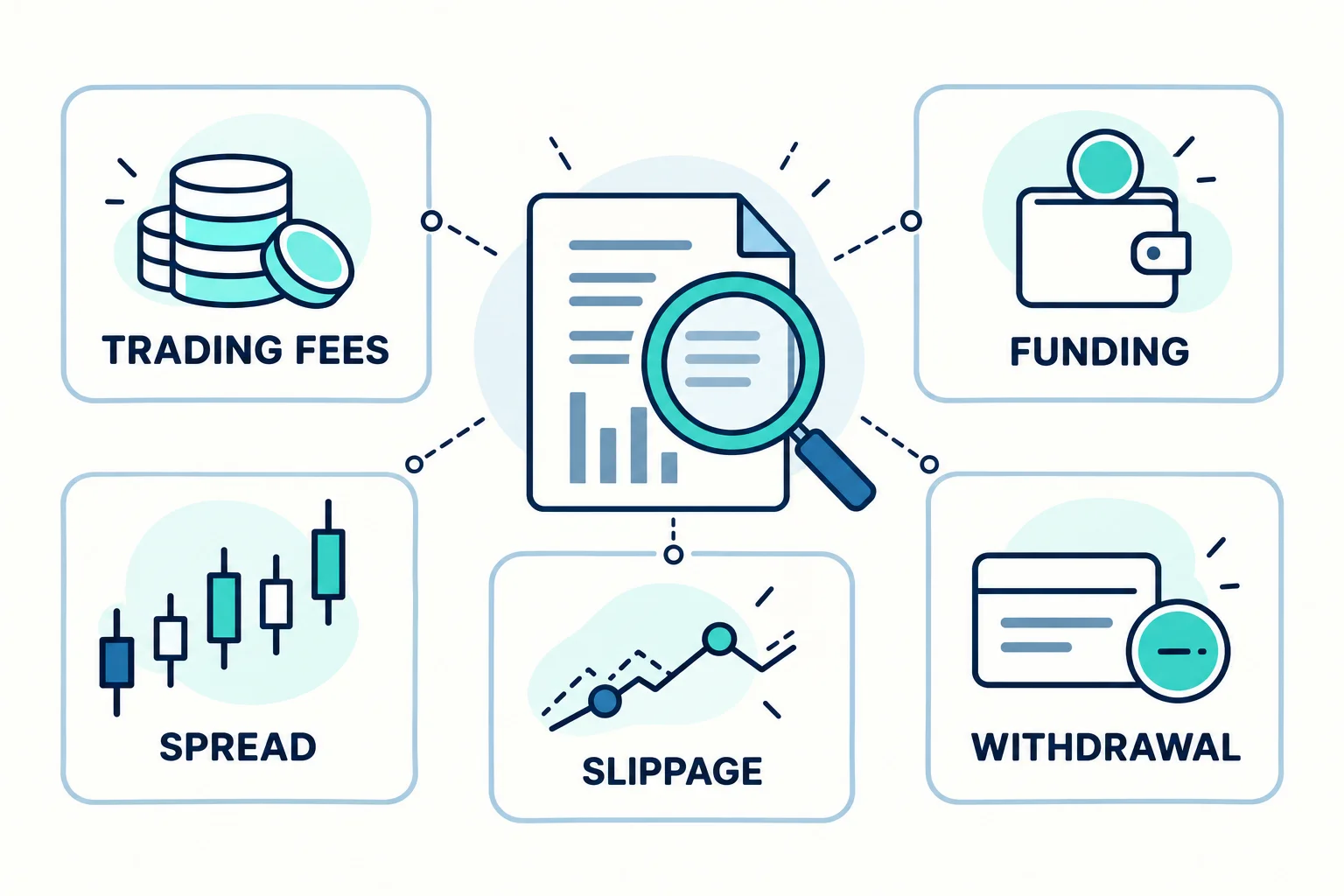
CFD risk controls have limits. A configured instruction cannot guarantee protection from market moves, gaps, slippage, technical faults or custody loss.
Implementing Precision Position Sizing
No universally protective 5% allocation rule is established. Review combined exposure, leverage, instrument correlation and how much can be lost.
- Sizing mode: inspect Fixed lots or Fixed ratio in the CFD product; do not assume a fixed-margin USDT control from crypto futures copying.
- Lot multiplier: it changes copied quantity, not necessarily the contract leverage. Check both separately.
- Risk/reward: a historical ratio does not guarantee profitability or make a trader suitable. No universal 1:2 entry criterion is established. Existing reference (not evidence for a benefit, score or benchmark): risk-to-reward ratio.
Quantitative Risk Metrics Comparison
The former threshold table was not a validated standard for top-tier portfolios. Use definitions and actual account exposure rather than fixed safe/unsafe labels. Existing reference (not evidence for a benefit, score or benchmark): Copy Trading.
| Review item | What to verify | Limitation | Evidence |
|---|---|---|---|
| History | Period, open losses and methodology | Past results do not forecast returns | Current official terms and actual account record |
| Win rate | Loss size, costs and sample | High win rate can coexist with a net loss | Current official terms and actual account record |
| Drawdown | Definition, leverage and observation period | Historical drawdown is not a future loss cap | Current official terms and actual account record |
| Exposure | Concentration and correlation | Multiple labels do not ensure diversification | Current official terms and actual account record |
Automated Protective Measures
Check controls actually supported by the CFD product. Settings can fail validation or affect only new positions; automation does not eliminate emotional or operational mistakes.
Step-by-Step Risk Configuration
- Open the eligible CFD trader configuration and verify the selected mode and instrument.
- Stop loss: confirm the USDT amount and resulting trigger price in the current CFD guide. Actual execution may differ from the calculated level.
- Take profit: confirm the amount, accepted level and execution conditions; it does not lock in a guaranteed realized amount.
- Exposure: inspect total invested funds and per-order lot limits if available. Neither is a guaranteed maximum account loss.
- Execution protection: verify which controls actually exist for this product; do not assume crypto-futures slippage settings apply to CFD copying.
Performance review and changes to existing positions
No professional author record validates a particular review interval. Inspect actual risk and existing positions; global parameter changes in the documented CFD flow apply to new orders, not automatically to existing positions. Existing reference (not evidence for a benefit, score or benchmark): leverage usage. CFD parameter edits and existing positions (checked October 18, 2026).
Portfolio exposure in Korean and other jurisdictions
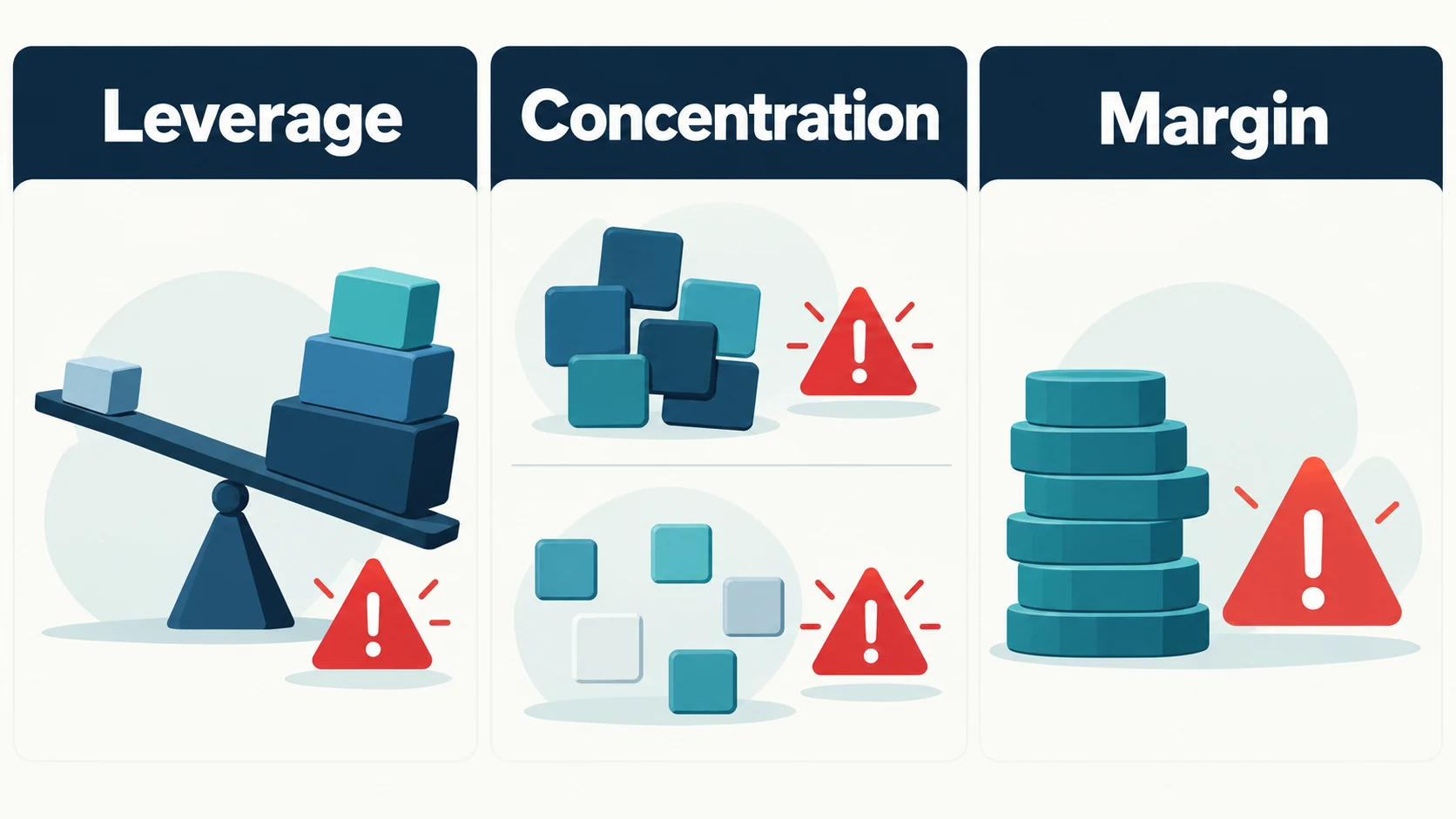
Regional access and product restrictions apply separately from language. Copying multiple traders does not automatically create a diversified or professionally managed portfolio.
Concentration and correlation checks
No universally safe 10%–15% per-trader allocation is established. Separate names or asset classes can hide overlapping exposure and leverage.
- Correlation: past relationships can change. Combining gold and technology exposure does not guarantee offsetting losses.
- Market hours: different trader time zones do not create uninterrupted liquidity. Check the actual instrument session and holiday schedule.
- Strategies: mixing styles can increase complexity and costs; no balancing benefit is guaranteed.
Strategy conditions instead of performance rankings
No global-community sentiment analysis supports the former success scores. Consider each strategy exposure without assigning a measured advantage.
| Review item | What to verify | Limitation | Evidence | Scope |
|---|---|---|---|---|
| Instrument | Contract size and trading session | An instrument label is not a risk rating | Current official terms and actual account record | Product/region/version specific |
| Existing positions | Current margin and TP/SL settings | Global parameter edits do not automatically update existing positions | Current official terms and actual account record | Product/region/version specific |
| New copied orders | Saved copy mode, lots and rounding | Saved settings do not guarantee a fill or a loss limit | Current official terms and actual account record | Product/region/version specific |
Selection checklist, not a 5,000-trader survey
The previous importance percentages were not supported by a dataset. The following are editorial review questions, not successful-user behavior statistics.
| Review item | What to verify | Limitation |
|---|---|---|
| Control | What the follower can change | Automation does not eliminate monitoring |
| Sizing | Actual copy mode and quantity calculation | Copied orders may differ from the lead |
| Execution | Accepted orders and fill records | Orders can be missed or partially filled |
| Costs | Fees, funding and applicable profit sharing | No single universal copy fee model |
Risk not captured by a headline return
This article does not establish veteran-trader credentials. Drawdown and leverage data can help describe history but cannot establish whether the next position is safe or profitable. Existing reference (not evidence for a benefit, score or benchmark): Maximum Drawdown; margin.
Summary: CFD copying conditions and limitations
Use actual instrument and account rules to understand copied exposure. Diversification and automation do not guarantee improved outcomes or preserve USDT capital.
Frequently Asked Questions (FAQ)
Q: Do changed CFD copy parameters update existing positions? A: In the documented CFD edit flow, saved parameters apply to new copied orders. Existing positions retain their prior settings and need separate review.
Q: Is following more traders mathematically safer? A: Not necessarily. Correlated positions, leverage and costs can accumulate across traders; the number of traders alone does not establish lower risk.
Q: Is a lot multiplier the same as leverage? A: No. It changes copied lot size. Review instrument leverage, margin and account exposure separately.
Q: Does a loss within past drawdown imply recovery? A: No. Historical drawdown and a risk-adjusted metric do not forecast recovery or validate continuing a strategy.
Official sources and limits of this correction
Sources checked October 18, 2026. Historical documents are identified as such; they do not establish a current promotion or eligibility. Account, product and regional conditions can change.
BitQED is an independent informational site and may receive affiliate commissions through existing partner links. No fixed user benefit is established by those links. Cryptocurrency, leverage, custody, stablecoin, technical and regulatory risks remain. This article is not investment, legal or tax advice.